

Calming rosacea-prone skin isn't an overnight fix — it's a natural process that builds month after month. Here are real Seacra customers, and what to expect along the way.
Why results build over time
Your skin renews on roughly a 28-day cycle, and a fragile, rosacea-prone barrier needs time to rebuild — layer by layer, cell by cell. That's why the Recovery & Repair Gel works gradually rather than masking redness for a few hours. Each day you use it, you're supporting that natural rebuilding process, and the results compound. The single most important thing you can do is simply keep going.
A rosacea-prone journey, month by month
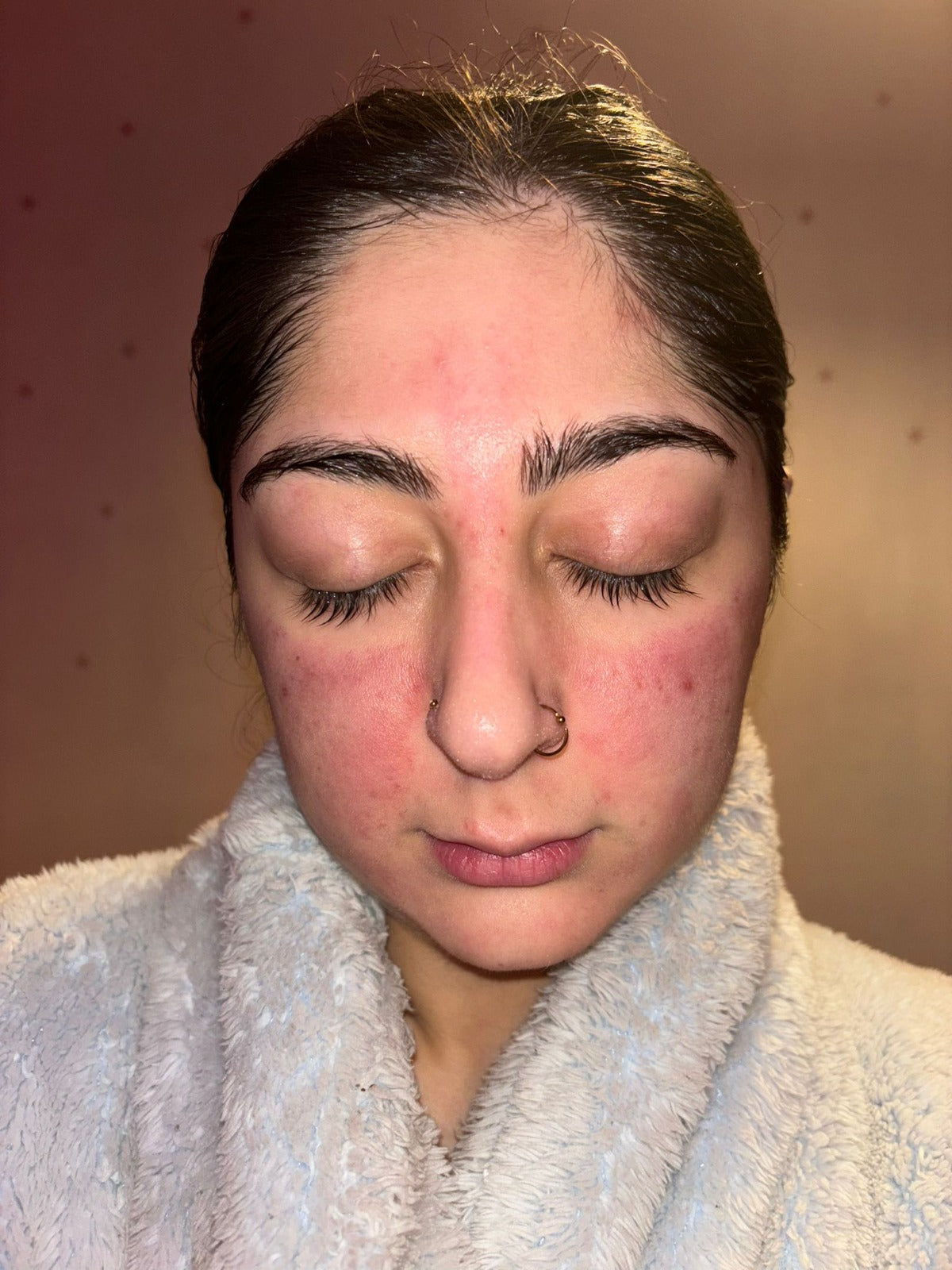 MONTH 1
- Skin starts to retain moisture more effectively — a healthier, dewy finish
- Redness around the cheeks and nose visibly softens
- Blemishes begin to shrink and look less inflamed
- Skin feels calmer, with less stinging after cleansing
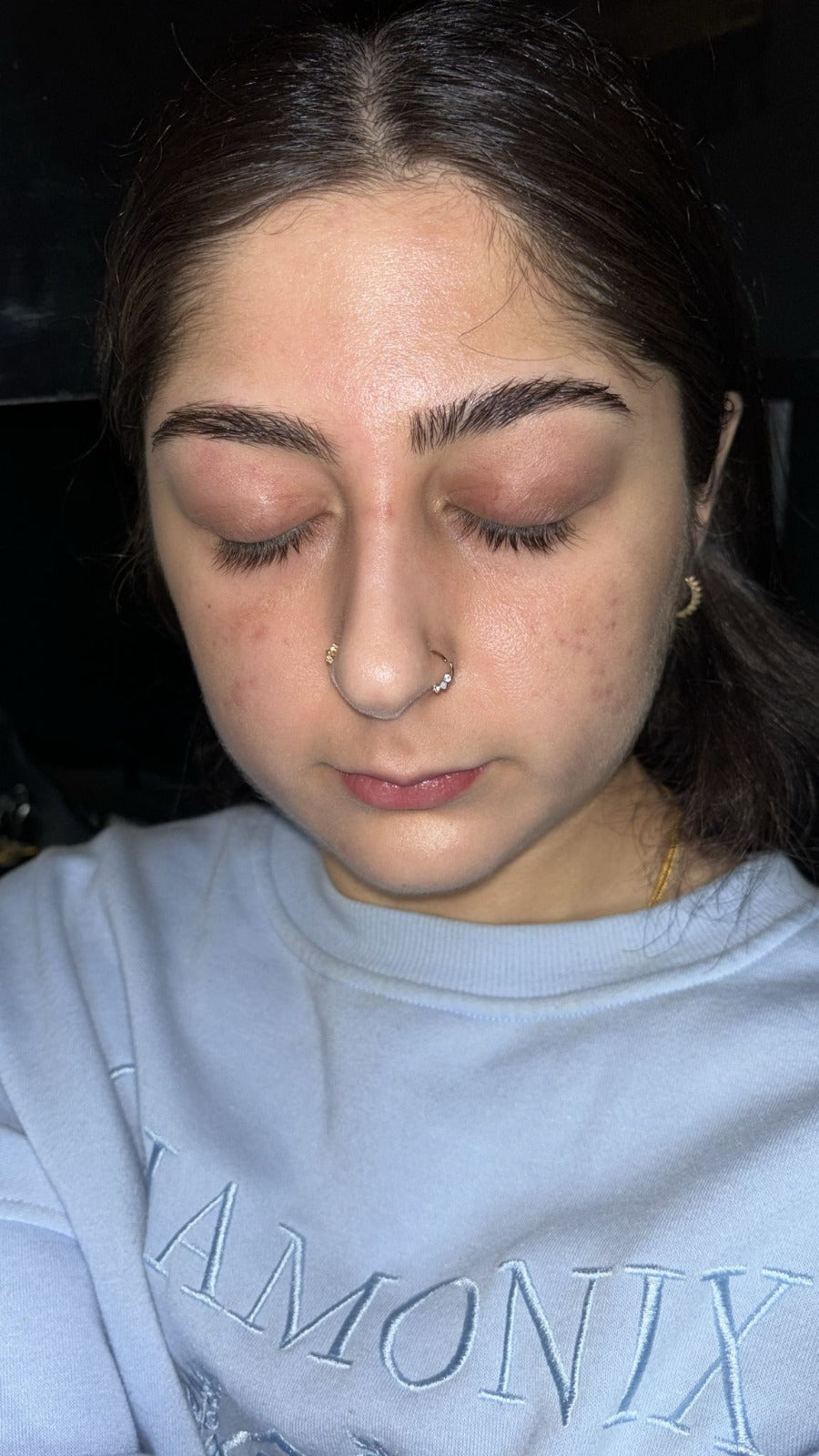 MONTH 2
- Red spots and under-skin bumps noticeably reduced
- Skin more even-toned and less reactive, especially around the cheeks
- Rosacea-prone areas no longer constantly red or patchy
- Texture improved — smoother, less flushed even under strong light
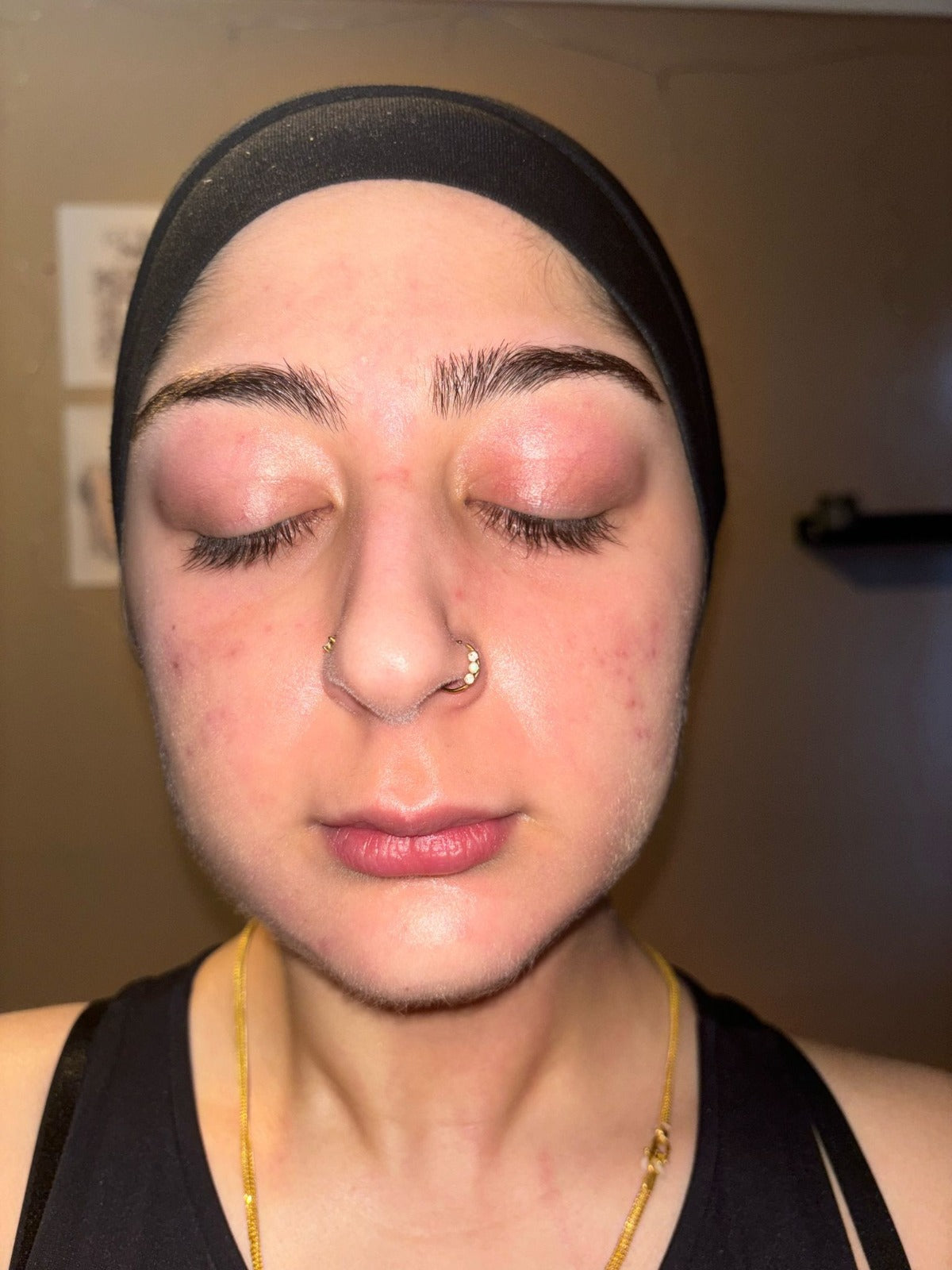 MONTH 3
- Flare-ups under control — calm, settled skin
- Red marks and scarring visibly faded
- Tone looks clear, calm and balanced
- Barrier stronger — no dry patches; a natural glow, even without makeup
Another customer's journey
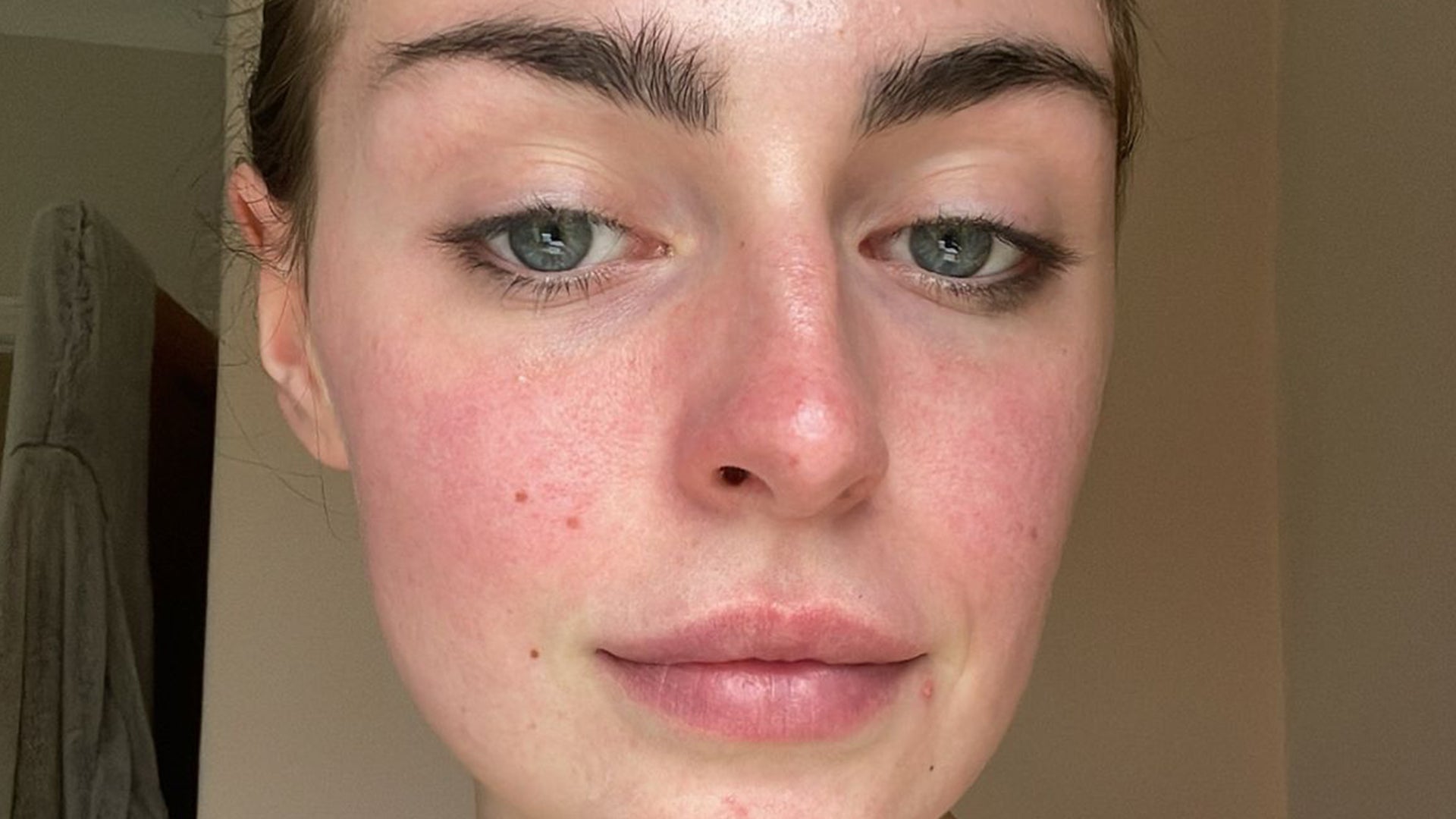 MONTH 1
- Hydration up by an average of ~17% — a smoother, more even tone
- Redness and inflammation down by an average of ~20%
- Bumps, blemishes and spots diminished in size
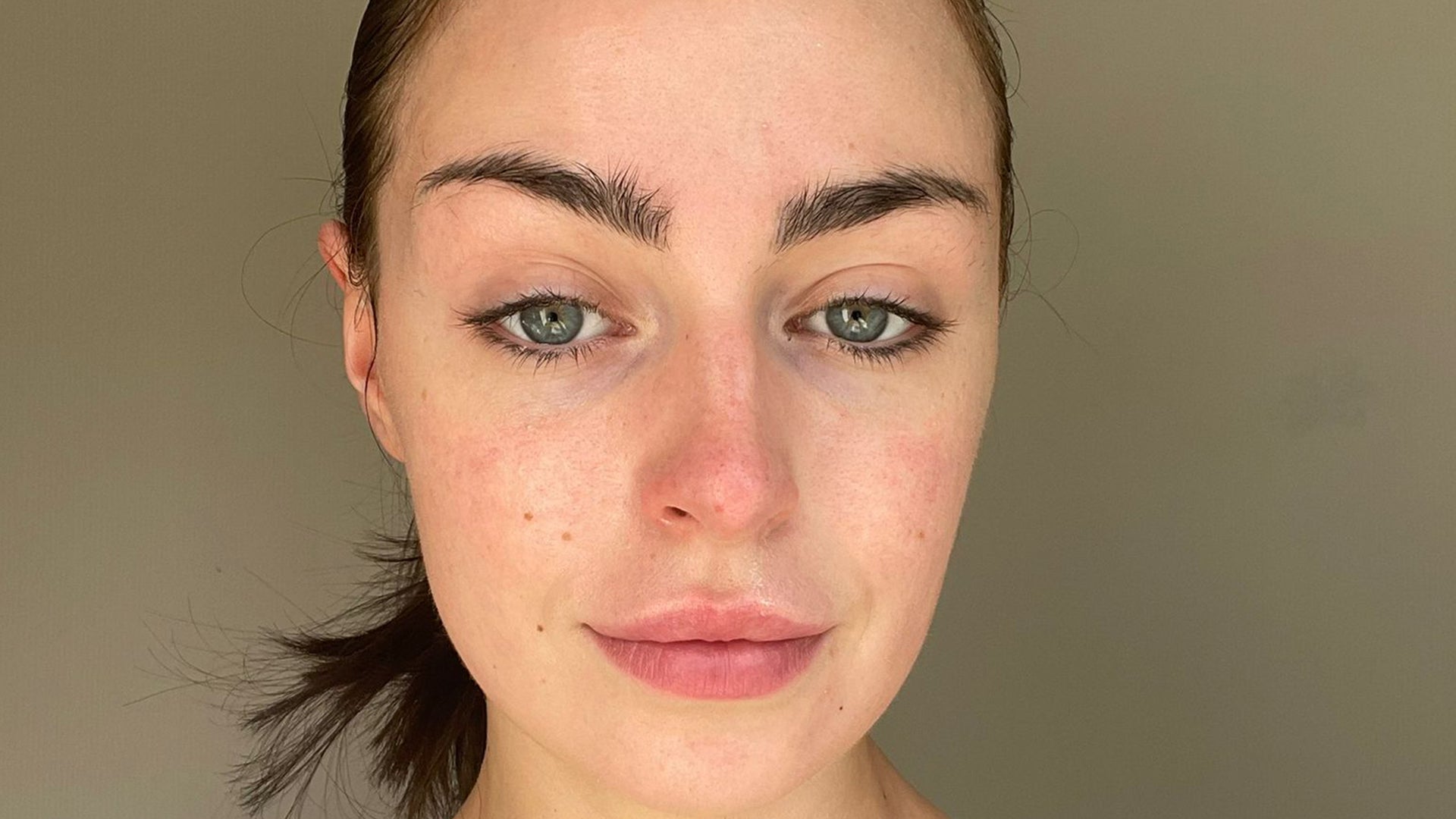 MONTH 2
- Less prone to breakouts
- A significant reduction in redness & inflammation
- Previous marks and scarring become less visible
- Skin regains its healthy colour — soft, supple and smooth
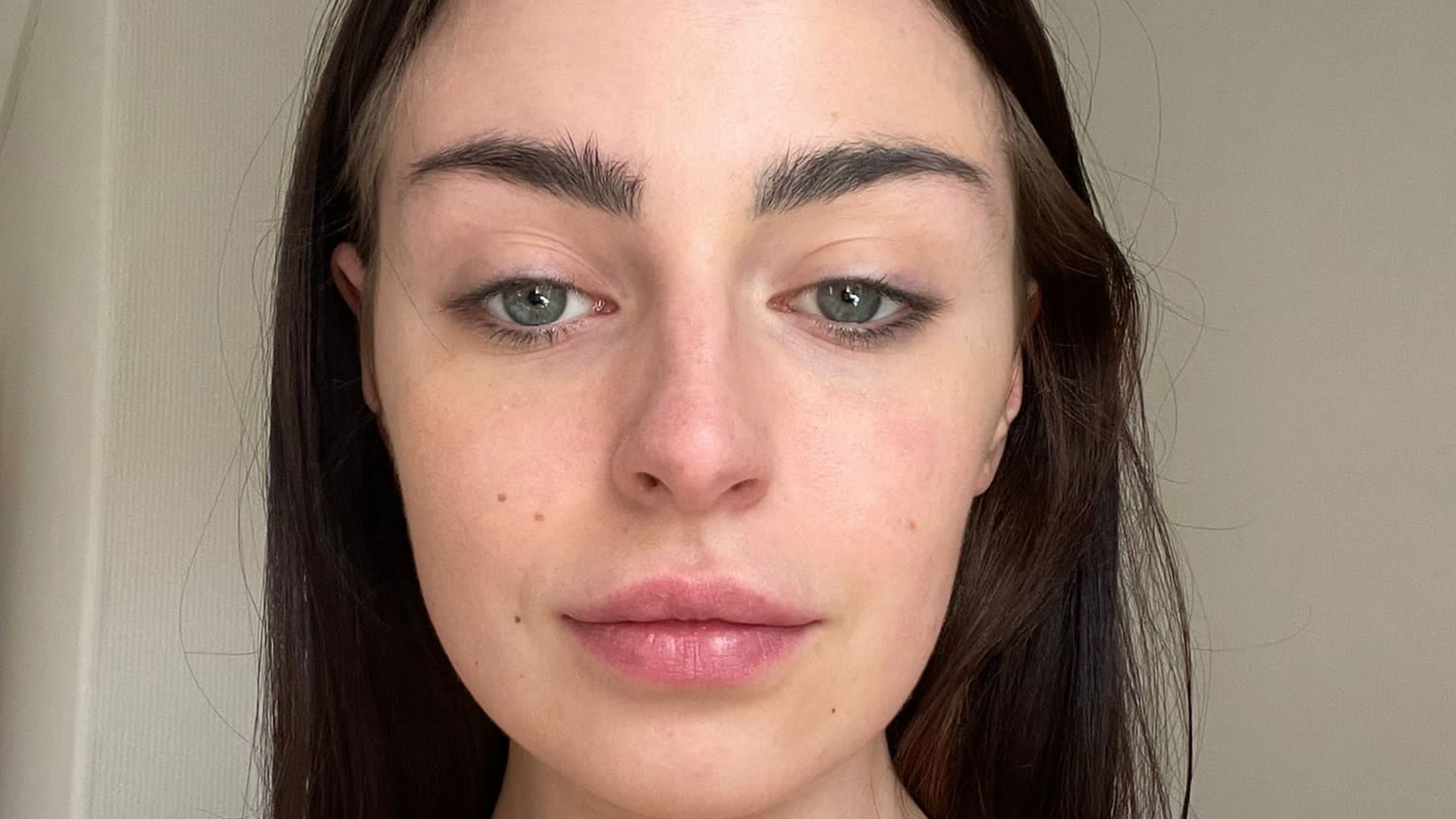 MONTH 3
- Spots and bumps visibly cleared; skin clear and congestion-free
- Plump, glowing and smooth
- Barrier strong and resilient
- Dark spots and marks beginning to fade
And a third journey
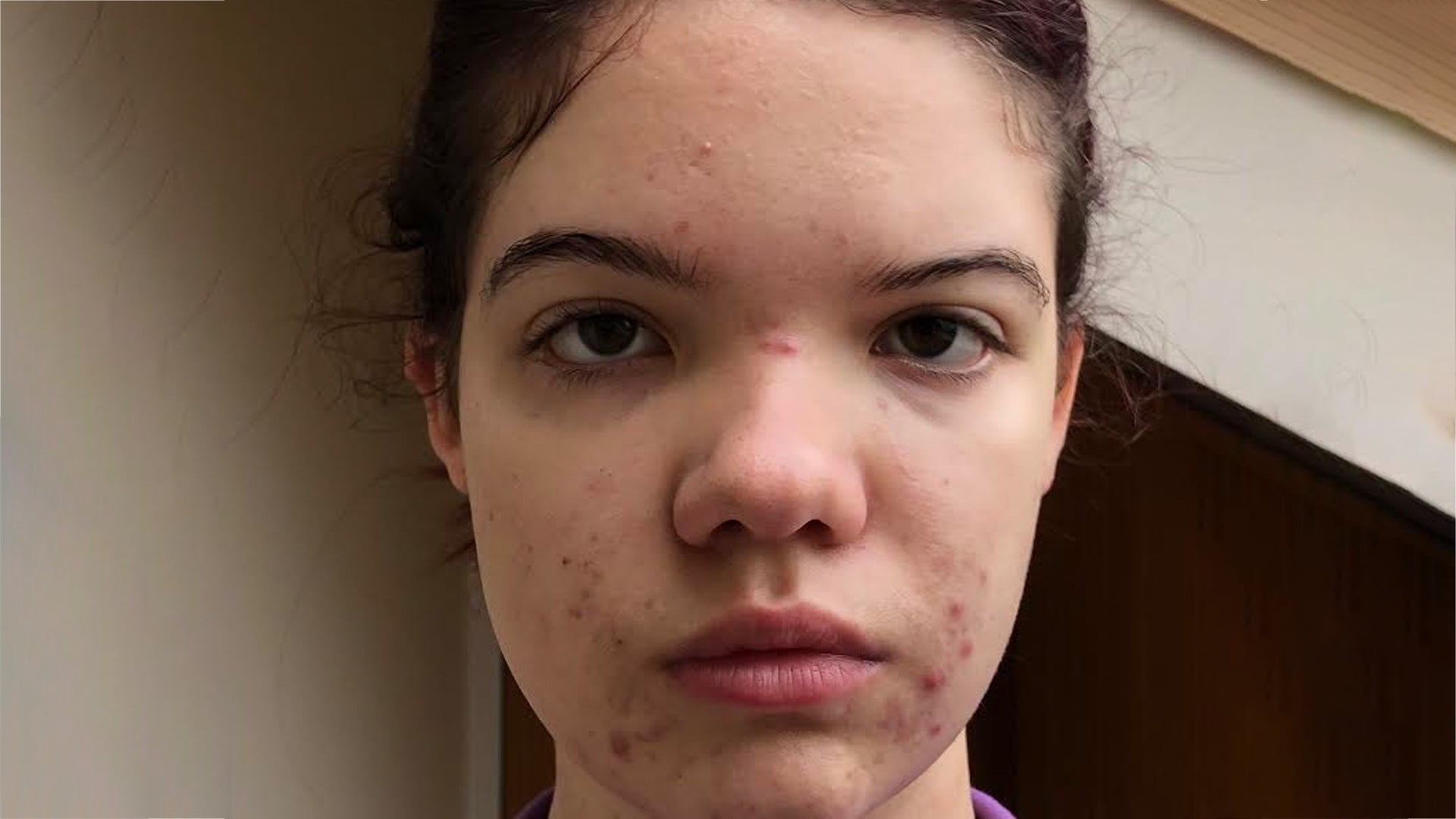 MONTH 1
- Hydration up by an average of ~17% — a smoother, more even tone
- Redness and inflammation down by an average of ~20%
- The beginnings of a fortified barrier, protecting against irritants
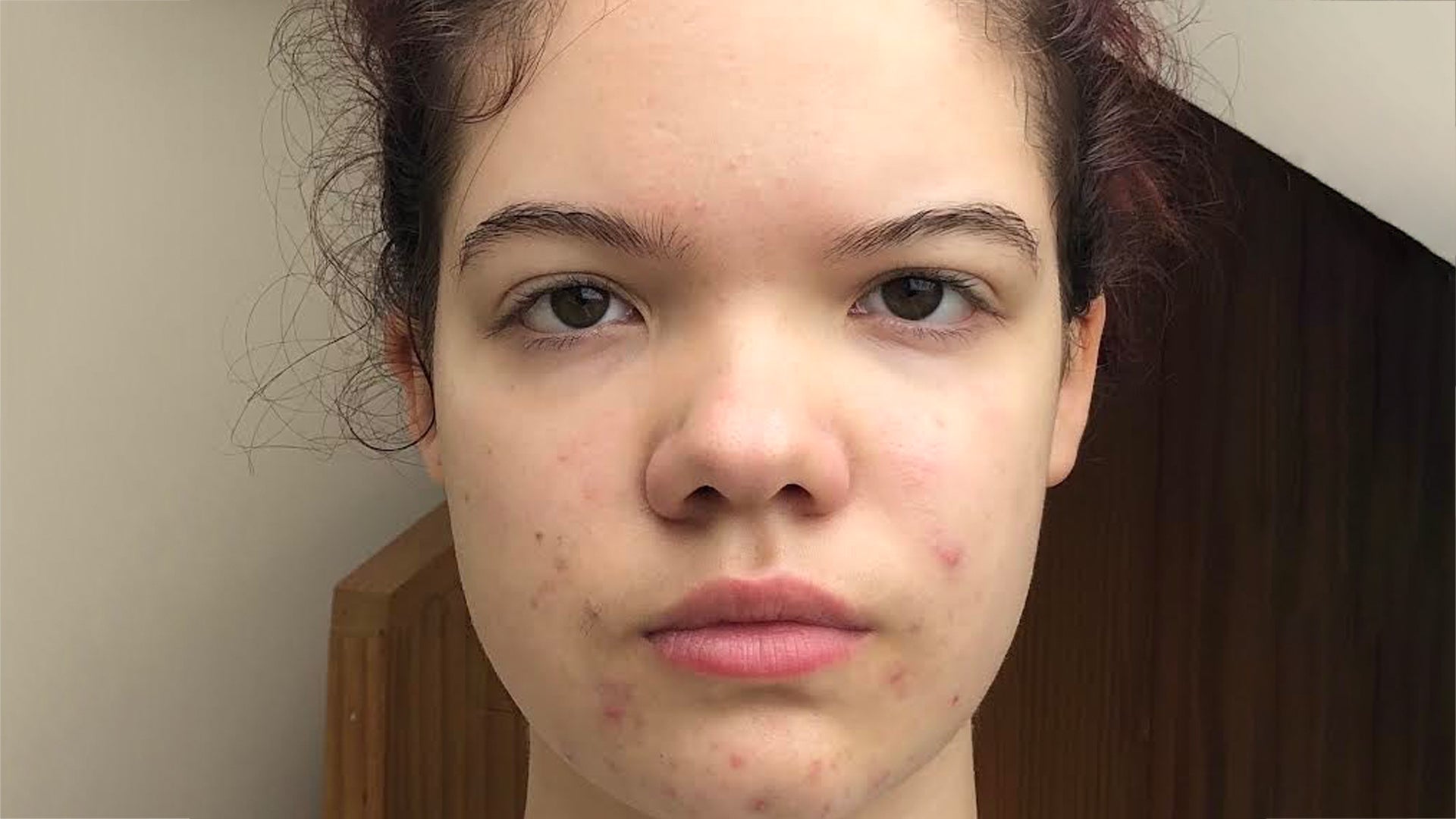 MONTH 2
- A marked decrease in spot size and frequency, with fewer new breakouts
- Ongoing soothing of inflamed areas — a more balanced complexion
- Skin's defences strengthening, retaining moisture better
 MONTH 3
- Most spots subsided — a more uniform, smooth surface
- A sustained reduction in inflammation
- A fully repaired barrier, helping maintain healthy skin
How to get the most from every month
Rosacea-prone skin does best with a simple, gentle 3-step routine — each step sets up the next:
 1 · Cleanse — SoapClears the day's build-up so the Gel can sink in
 2 · Treat — GelCalms redness and supports the barrier
 3 · Hydrate — CreamAdds the extra moisture rosacea-prone skin needs
Because rosacea-prone skin tends to run dry, that final hydration step is what locks the calm in overnight.
Shop the Routine →Photos are real Seacra customers; individual results and timelines vary from person to person. Clinical figures (−21% redness, +17% hydration) are from a 28-day instrumental study under dermatological control on rosacea-prone skin. Rosacea is a medical condition — for diagnosis or flare-ups, please speak to your GP or dermatologist.
Fragrance-free and gentle, made for rosacea- and redness-prone skin. Clinically shown to reduce redness by 21% in 4 weeks — plus £10 back on your first full-size bottle.
Try a sample for £9.99 →

