
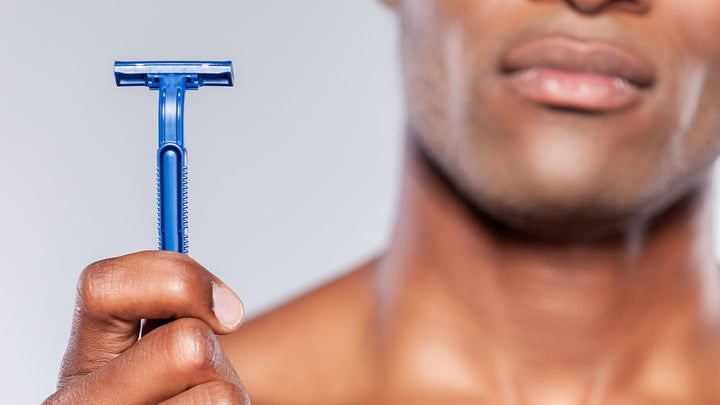
Shaving is a daily ritual for many, but it can often come with an unwanted side effect – redness and irritation.
To stop redness after shaving: prep with a gentle cleanser, use a sharp razor, shave with the grain, rinse with cold water, then apply a Red Algae recovery gel. The gel's anti-inflammatory astaxanthin is clinically shown to reduce facial redness by 21% in 28 days.
Try the Red Algae Recovery & Repair Gel Sample — 7 days of product to calm post-shave redness, for just £9.99.
Try a sample for £9.99 →Fully redeemable — get £10 off your first full-size bottle.
Razor Burn versus Razor Bumps
Razor bumps are ingrown hairs that result from hair removal. Razor burn looks more like streaks or blotches across the skin. Both cause redness and irritation.
What causes redness after shaving?
When you shave, the razor can open small cracks in the top layer of the skin, triggering irritation and redness. Additional factors include: using a blunt razor, shaving against hair growth, shaving too fast, and having sensitive skin.
How to avoid redness after shaving: 6 steps
Step 1 — Prepare your skin
Cleanse with a gentle, hydrating cleanser. Our Red Algae Cleansing Soap Bar gently exfoliates, removes dead skin cells, and hydrates with coconut oil and shea butter to prevent cracking.
Step 2 — Use a sharp razor
Dull blades tug at hair follicles, causing irritation. Always use a sharp razor and replace blades regularly.
Step 3 — Apply soothing shaving cream
Use a shaving cream formulated for sensitive skin with anti-inflammatory ingredients like aloe vera and chamomile. Apply generously and let sit for 1–2 minutes before shaving.
Step 4 — Shave with the grain
Shave in the direction of hair growth using short, gentle strokes. This minimises friction and reduces the likelihood of razor burn.
Step 5 — Rinse with cold water
Cold water constricts blood vessels and closes pores, immediately reducing redness. Pat dry — never rub.
Step 6 — Apply a calming aftershave gel
The Recovery & Repair Gel is a natural Red Algae gel that tackles inflammation and sensitivity while moisturising the skin. Proven to reduce redness by 21% in just 28 days.
Your key products for a smooth, calm shave


Not sure yet? Calm your post-shave skin with a £9.99 sample before committing to a full bottle.
Try a sample for £9.99 →Fully redeemable — £10 off your first full-size bottle.
Frequently Asked Questions: Redness After Shaving
How do you stop redness after shaving?
Prepare skin with a gentle cleanser, use a sharp razor, shave with the grain, rinse with cold water, then apply a red algae anti-inflammatory gel. Red algae is clinically proven to reduce redness by 21% in 28 days.
What causes redness after shaving?
Redness after shaving is caused by the razor opening micro-cracks in the skin's top layer. Contributing factors: dull razor, shaving against the grain, shaving too quickly, irritating lotions, sensitive skin.
How long does redness after shaving last?
For most people, 20 minutes to a few hours. Razor burn can take 2–3 days to heal without treatment.
What is the best product for redness after shaving?
Gentle, anti-inflammatory formulas. Red algae-based recovery gels are particularly effective — astaxanthin is up to 6,000× more potent than Vitamin C.
Is red algae good for shaving rash?
Yes. Red algae contains anti-inflammatory astaxanthin and polysaccharides that calm the skin barrier and soothe post-shave redness. Unlike alcohol-based aftershaves, it hydrates while it soothes.
When to see a professional: If irritation is severe, persistent, or shows signs of infection (pus, spreading redness, pain), see a GP or dermatologist. This article is for general information and is not a substitute for professional medical advice.
Written by the Seacra Skincare Clinical Team
Clinically reviewed · Last updated June 2026
All content is validated against independent clinical trial data. Seacra's Red Algae formula is endorsed by dermatologists and supported by peer-reviewed research.
Related reading
Free AI Skin Analysis
Not sure what your skin actually needs?
Scan or upload a photo and get a gentle, fragrance-free red-algae routine matched to your skin in seconds — free, and no commitment.
Start your free skin analysis →

