
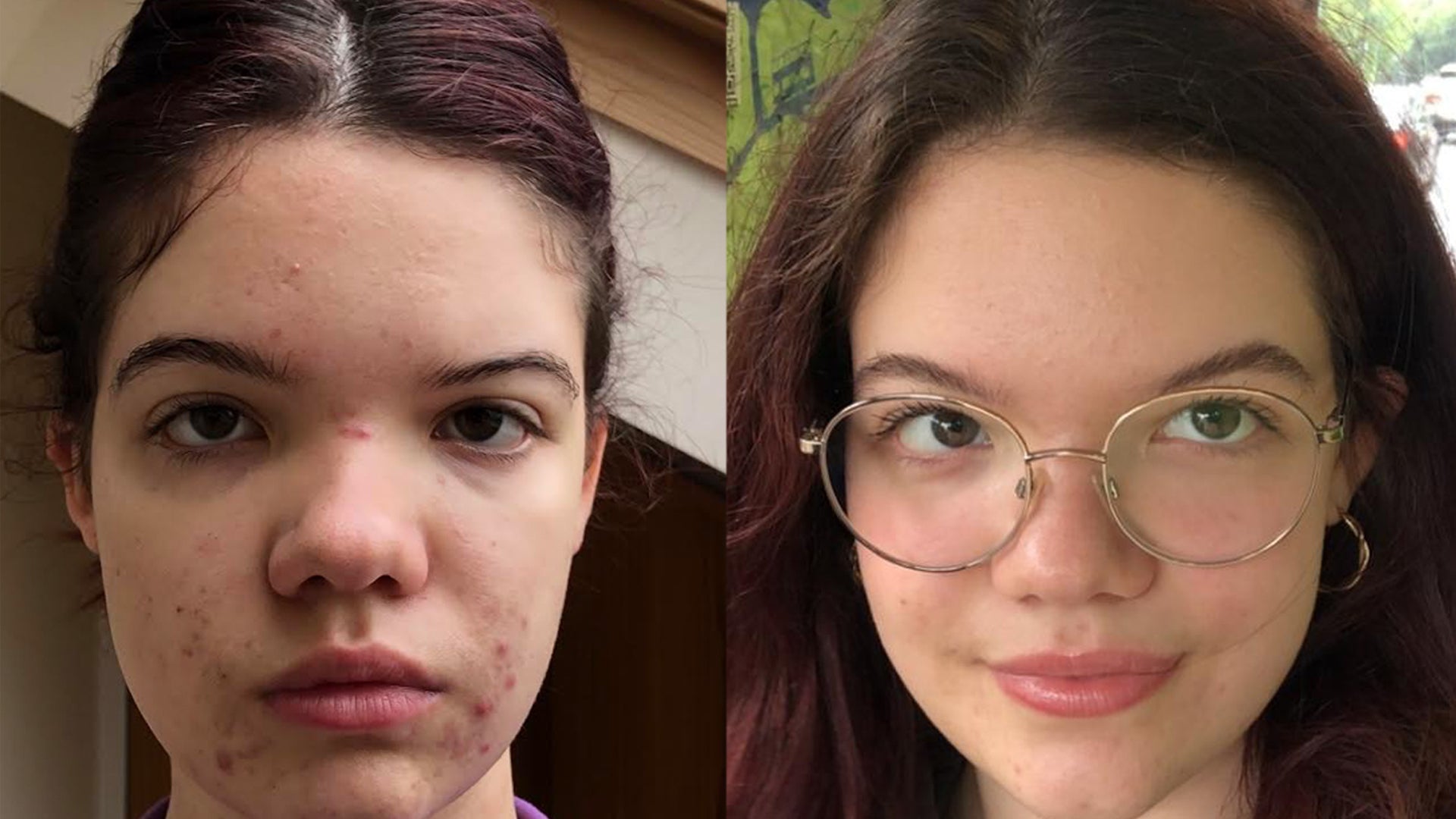
Blemishes can be a source of frustration and often seem to pop up out of nowhere. Whether it's acne scars, dark spots, or redness, dealing with blemishes can take a toll on your confidence. In this guide we'll cover what blemishes are, what causes them, and most importantly, how to bid them farewell for good.
To clear blemishes for good, don't strip or over-treat the skin — that damages the barrier and causes more breakouts. Instead, cleanse gently, calm and repair the barrier with anti-inflammatory ingredients like Red Algae, wear daily SPF, and support your skin from within. Red Algae is clinically shown to target redness, blemishes and pigmentation over 28 days.
Target blemishes gently — try the Red Algae Recovery & Repair Gel Sample for just £9.99.
Try a sample for £9.99 →Fully redeemable — get £10 off your first full-size bottle.
What are blemishes?
The term ‘blemish' covers a range of skin imperfections, including acne scars, dark spots, hyperpigmentation, and redness — essentially any mark on the skin. They can be caused by acne breakouts, sun exposure, hormonal changes, and inflammation.
The different types of acne
Knowing which type you're dealing with helps with treatment:
- Blackheads — small dark spots of oil trapped in the pore that turns black when it meets air.
- Whiteheads — small white or skin-coloured blemishes from oil and dead skin blocking pores.
- Papules — small, hard, red bumps where oil, bacteria and dead skin cause inflammation.
- Pustules — raised red spots containing pus from collected oil, bacteria and dead skin.
- Nodules — large blemishes deep in the skin that can cause scarring.
- Acne cysts — large, swollen, painful blemishes that can cause permanent scarring.
What causes blemishes?
- Acne breakouts — clogged pores from excess oil, dirt and dead skin.
- Sun exposure — UV rays stimulate melanin, causing dark spots and hyperpigmentation.
- Hormonal changes — puberty, menstruation, pregnancy or menopause.
- Inflammation — conditions like rosacea and eczema.
- Genetics — some people are simply more prone.
See what your skin is really telling you
A quick scan reads your breakouts, redness & texture, then matches a gentle red-algae routine made for it.
| ☀️ Face a window or good light — avoid harsh shadows | 💧 Bare skin reads best — remove makeup if you can |
| 👓 Take off glasses, pull hair off your face | 🤳 Hold the phone straight on, neutral expression |
How to get rid of blemishes
At Seacra we use Red Algae in all our products — a super-ingredient rich in antioxidants and anti-inflammatories, a powerful hydrator, and full of vitamins and minerals. Combined with other natural ingredients, it tackles the root cause of blemishes: soothing sensitive skin, repairing the barrier and preventing future breakouts. One of our customers, Martha, suffered from blemishes for years until she found Seacra — read her story.
Martha's real skin journey
Martha's blemish-prone skin over three months of consistent daily use of the Red Algae Recovery & Repair Gel:
 Month 1
 Month 2
 Month 3
Real customer using the Red Algae Recovery & Repair Gel. Individual results vary.
Your simple anti-blemish routine


Step 3 — Protect: wear daily SPF 30+ to prevent further damage and stop existing blemishes worsening. Step 4 — Lifestyle: a balanced diet, hydration, stress management and good sleep all support clearer skin. The biggest mistake people make is over-drying the skin to “fix” blemishes — it damages the skin barrier and causes more breakouts.
Try the blemish-fighting gel gently — start with a £9.99 sample first.
Try a sample for £9.99 →Fully redeemable — £10 off your first full-size bottle.
Frequently Asked Questions: Facial Blemishes
How do you get rid of blemishes on the face?
Cleanse gently, treat with anti-inflammatory, barrier-repairing skincare such as a red algae gel, wear daily SPF, and support skin with a healthy lifestyle. Avoid harsh drying products that damage the barrier.
What causes blemishes?
Acne breakouts, sun exposure, hormonal changes, inflammation (rosacea, eczema), and genetics — often made worse by a damaged skin barrier.
Is red algae good for blemishes and acne scars?
Yes. Red algae is anti-inflammatory and helps repair the barrier while targeting redness, blemishes and pigmentation over 28 days. It is not a substitute for medical advice.
When to see a dermatologist: Severe, painful, or cystic acne can cause scarring and may need medical treatment. If blemishes are severe or not improving, see a GP or dermatologist. This article is for general information and is not a substitute for professional medical advice.
Written by the Seacra Skincare Clinical Team
Clinically reviewed · Last updated June 2026
All content is validated against independent clinical trial data. Seacra's Red Algae formula is endorsed by dermatologists and supported by peer-reviewed research.
Related reading
Free AI Skin Analysis
Not sure what your skin actually needs?
Scan or upload a photo and get a gentle, fragrance-free red-algae routine matched to your skin in seconds — free, and no commitment.
Start your free skin analysis →

